
Foundation Waterproofing
Anchorage, AK's best foundation waterproofing contractors
Count on our work to stand the test of time!
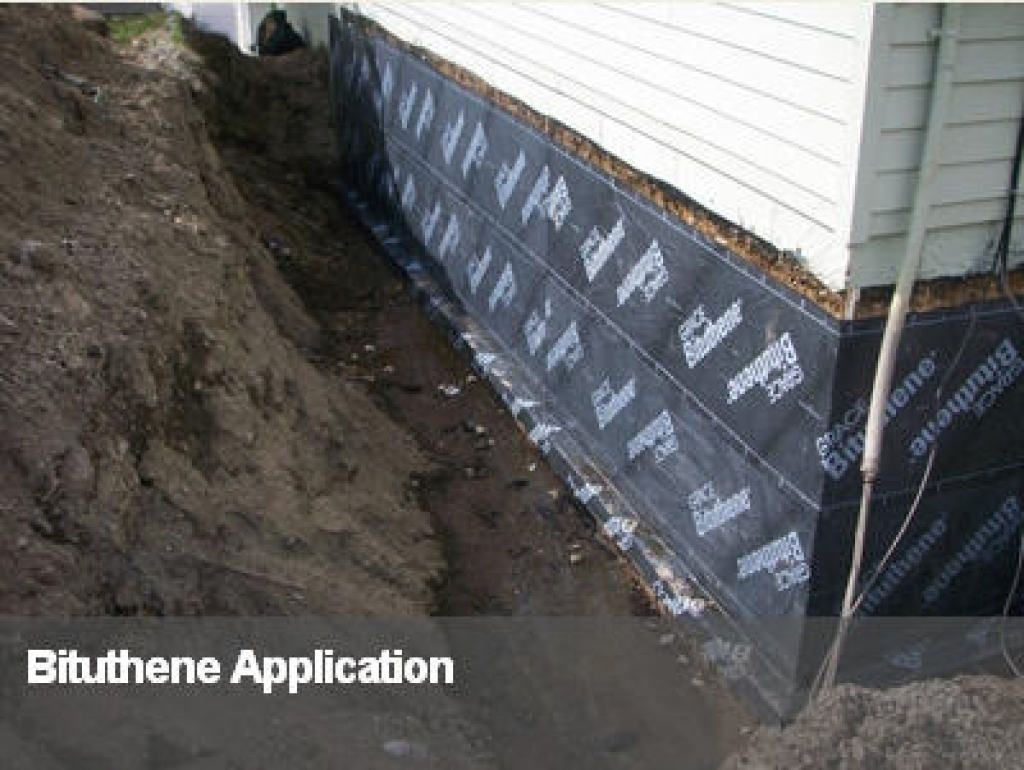
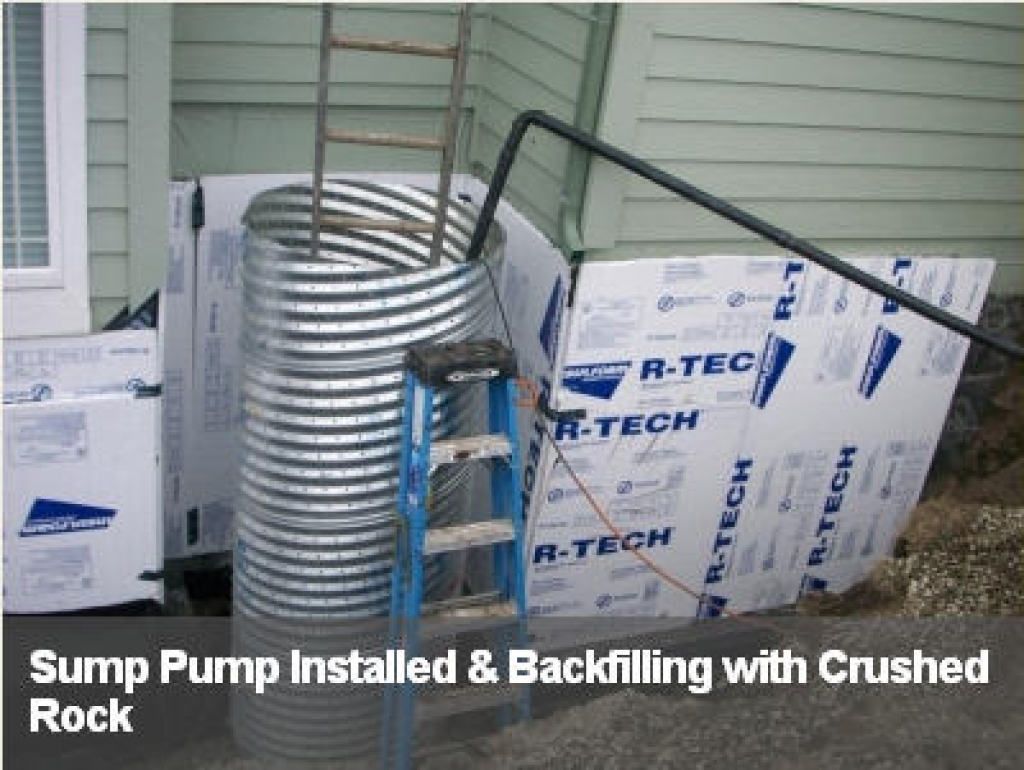
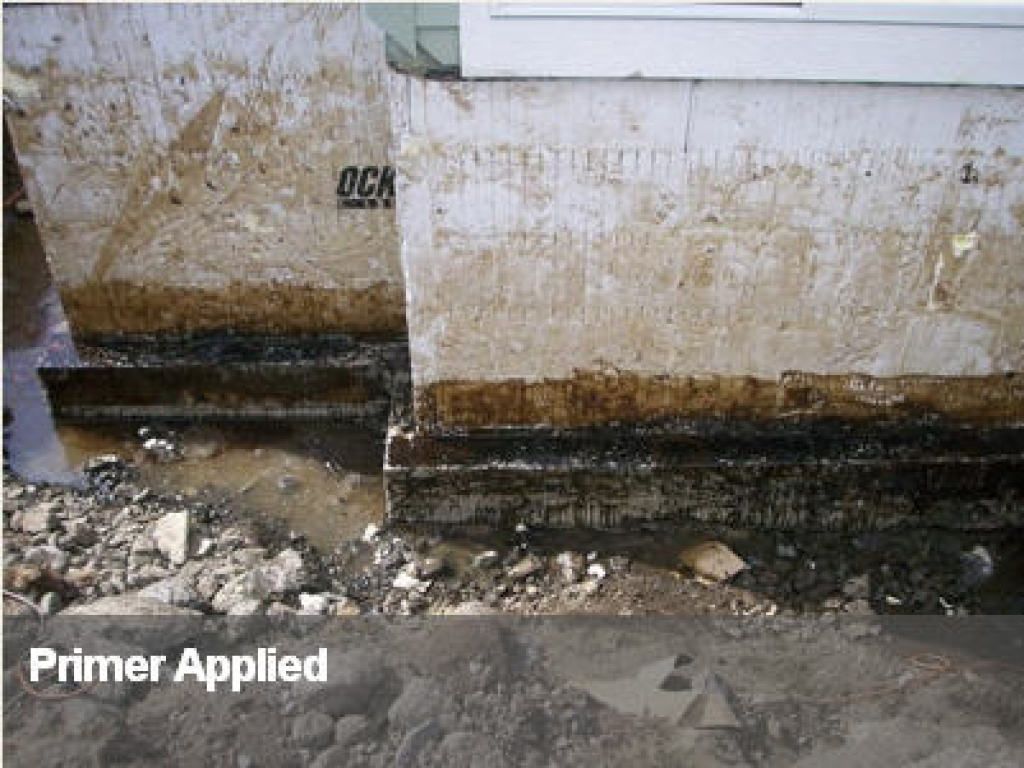
John's Excavating Inc's contractors provide quality foundation waterproofing in and around Anchorage, AK. Foundation waterproofing refers to techniques used to prevent water from entering a house or other building. Effective below ground, waterproofing will include both drainage and sealers.
Why waterproofing?
Waterproofing is needed anytime a structure in the Anchorage area is built at ground level or below ground. Foundation waterproofing and drainage considerations are especially needed in cases where groundwater is likely to build up in the soil and raise the water table.
Hydrostatic pressure dangers
A higher water table causes hydrostatic pressure to be exerted underneath basement floors and against basement walls. Hydrostatic pressure forces water in through cracks in foundation walls, through openings caused by expansion and contraction of the footing-foundation wall joint, and up through floor cracks.
Prevent structural damage
Hydrostatic pressure can cause major structural damage to foundation walls and is likely to contribute to mold, decay, and other moisture-related problems. Contact us in Anchorage today and let our services protect you!
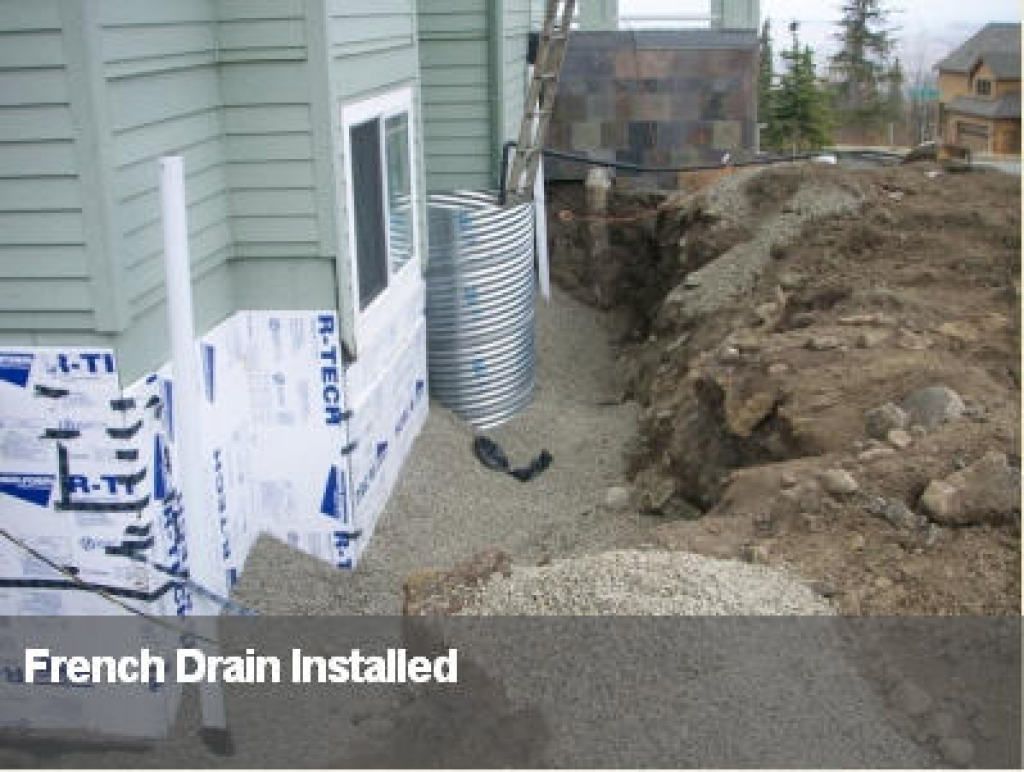
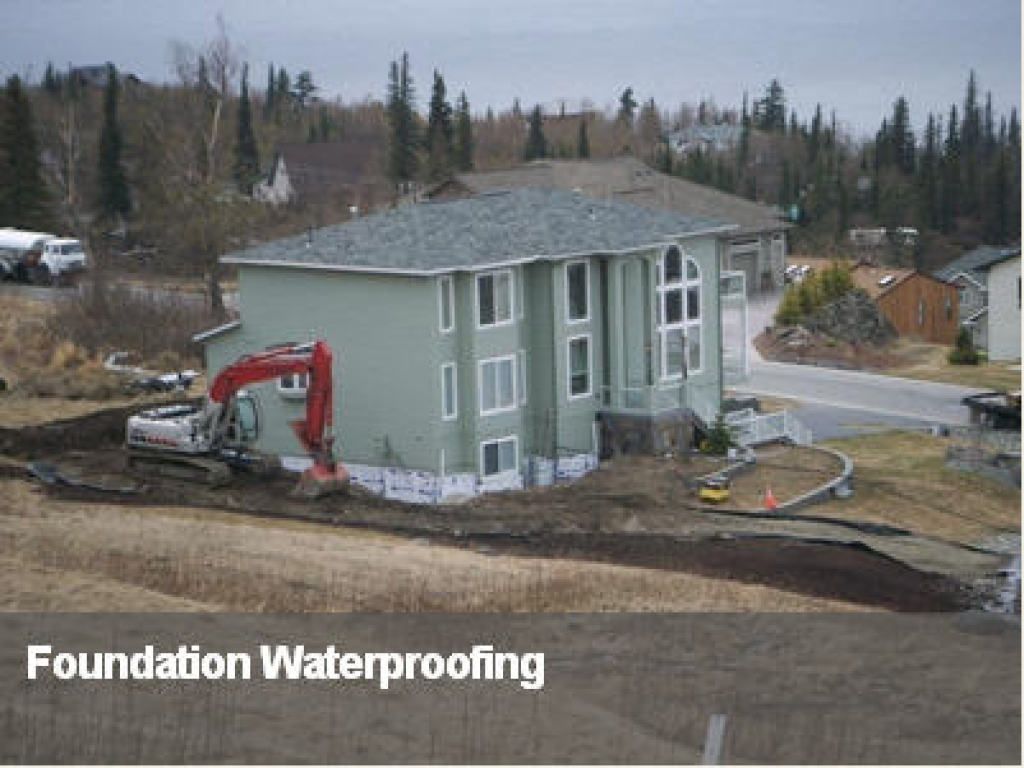
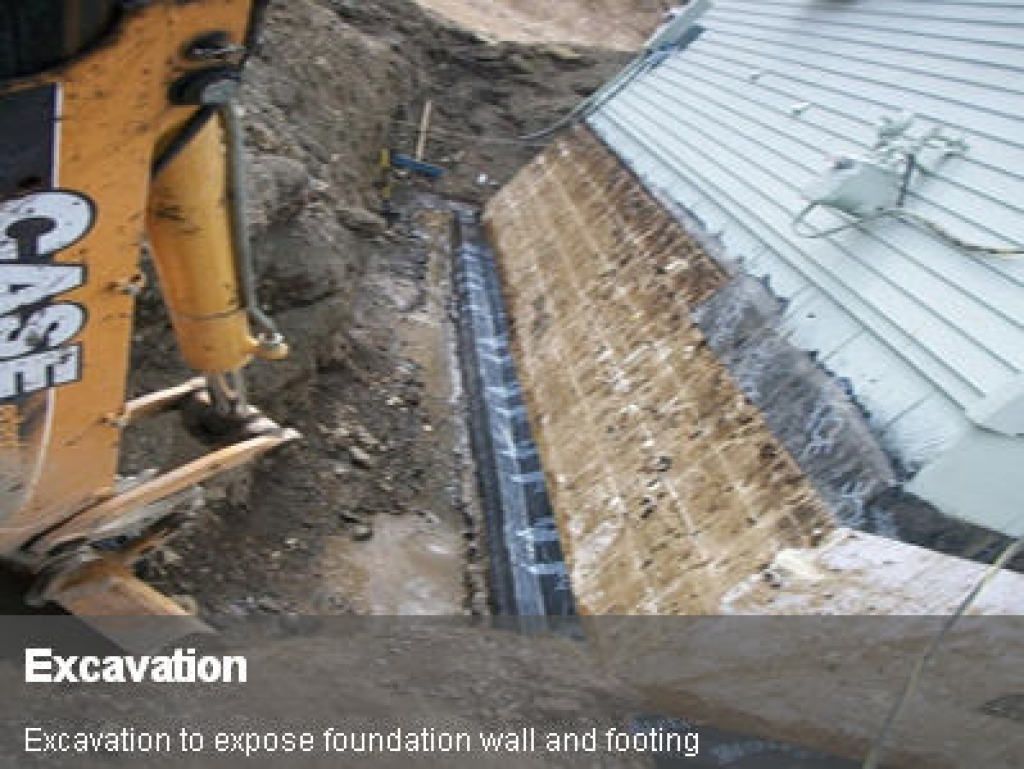
Foundation Excavation - Foundation Waterproofing - Clearing & Grubbing - French Drain Installation - Sump Pump Installation - Main Line Taps Water/Sewer Line Repair & Connects - Septic Systems - Trucking & Hauling - Demolition - Snow Removal - Underground Utilities - Grading - Driveways